
Why Skillet Frittata Turns Out Spongy and Weeps Liquid: The Dairy Ratio Rule and Low Stovetop-to-Broil Window
Learn why cast iron frittata turns rubbery, spongy, and weeps water, the egg protein syneresis science, and the dairy-to-egg ratio secret for custardy frittatas.
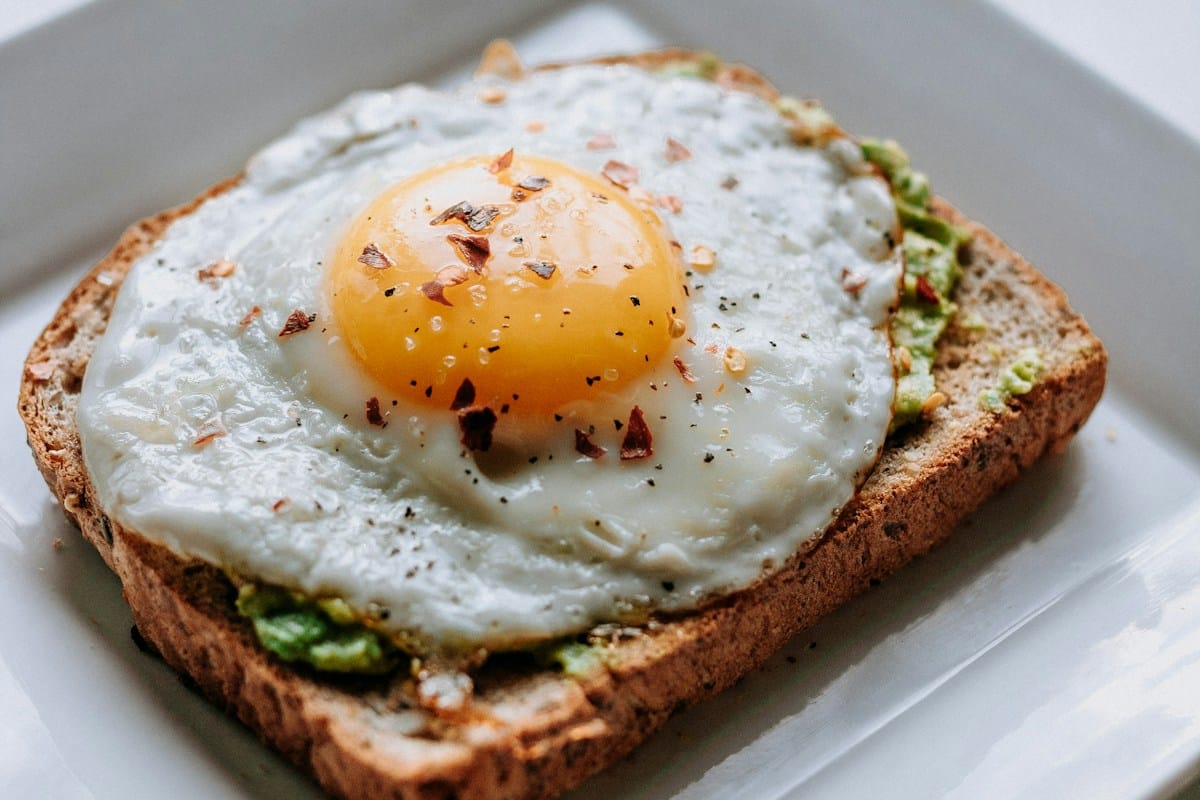
You envision an Italian country brunch: a golden cast-iron skillet holding a towering, tender frittata studded with sweet leeks, goat cheese, and fresh herbs that cuts like a savory velvet custard. But when you pull your pan from the oven, your frittata looks like an over-inflated brown sponge. You slice into it, and yellow water pools on the plate while the eggs chew like rubber.
A rubbery, watery frittata is the direct culinary consequence of protein syneresis (over-coagulation) and incorrect dairy-to-egg fat ratios. Eggs are packed with moisture and delicate proteins. When whole eggs are baked without sufficient dairy fat, or baked past their 165°F (74°C) threshold, the protein bonds clamp down violently like tightening a net. They squeeze out trapped water (syneresis), leaving behind dry, rubbery sponge cells swimming in expelled liquid. Here is the food science behind custardy frittatas and the test-kitchen stovetop-to-broiler protocol that guarantees a velvety texture every time.
The Food Science: Protein Syneresis in Baked Eggs
Understanding egg protein thermodynamics prevents spongy, weeping eggs:
- The Golden Dairy Ratio: The magic formula for a custardy frittata is exactly 1/4 cup (60ml) of full-fat dairy (heavy cream, sour cream, or whole milk) for every 6 large eggs. Dairy fat coats the egg protein molecules, physically buffering them so they cannot bond too tightly together.
- Protein Syneresis (Weeping Liquid): Egg whites coagulate at 144°F (62°C) and yolks at 158°F (70°C). When an egg dish exceeds 175°F (80°C) throughout, the proteins over-contract, squeezing their internal water out onto the plate.
- The Watery Vegetable Trap: Adding raw vegetables (mushrooms, spinach, tomatoes, or zucchini) directly into raw eggs is a fatal mistake. Raw vegetables are 90% water. As the frittata bakes, that vegetable moisture releases into the center, preventing the eggs from setting and creating a soupy middle. Vegetables must be fully cooked and moisture-evaporated before adding eggs.
The Test-Kitchen Frittata Rules
1. Sauté Vegetables Until Bone-Dry: Sauté onions, greens, and mushrooms in your skillet first until all released water has completely evaporated and edges begin to caramelize.
2. Whisk Gently, Don’t Whip: Whisk eggs with dairy and salt just until blended with no visible albumen streaks. Do not use an electric mixer; whipping excess air into the eggs causes the frittata to inflate like a soufflé in the oven and then collapse into a wrinkled, rubbery skin.
3. The Stovetop Start, Broiler Finish: Cook the bottom over gentle stovetop heat for 4 minutes to set the base, then transfer under a gentle oven broiler for 3 to 4 minutes to puff and golden the top without overcooking the delicate custard core.
Velvety Cast-Iron Spinach & Goat Cheese Frittata Recipe
Prep time: 10 minutes | Cook time: 12 minutes | Yield: 6 generous slices
The 15-Minute Weeknight Dinner Matrix
Stop wondering what to cook tonight. Get 20 modular, test-kitchen meals ready in 15 minutes or less from 5 pantry staples—with dual metric/US measurements & flavor grids.
Every recipe on QuickRecipeAI is independently developed, stopwatch-timed, and flavor-tested at least 3 times in home kitchens by Safi A. Calibrated with dual metric/US measurements and validated against USDA FoodData Central. Review Our Test Kitchen Standards & Testing Methodology →
Ingredients
- 8 large eggs, room temperature
- 1/3 cup (80ml) heavy whipping cream or full-fat sour cream
- 1/2 cup (50g) freshly grated Parmigiano-Reggiano or Gruyère
- 2 tbsp unsalted butter or olive oil
- 1 medium shallot or small leek, sliced thin
- 5 oz (140g) fresh baby spinach (or sliced mushrooms)
- 3 oz (85g) fresh goat cheese (chèvre) or feta, crumbled
- 1/4 cup fresh herbs (chives, dill, or basil), minced
- 1/2 tsp kosher salt & 1/4 tsp freshly ground black pepper
- Pinch of ground nutmeg
Step-by-Step Instructions
- Whisk the Egg-Dairy Emulsion: In a medium bowl, crack the 8 eggs. Add heavy cream, kosher salt, black pepper, nutmeg, and grated Parmesan. Whisk with a fork or balloon whisk for 45 seconds until uniform and creamy. Avoid whipping excess foam.
- Evaporate Vegetable Moisture: Melt 2 tbsp butter in a 10-inch well-seasoned cast iron skillet or ovenproof non-stick pan over medium heat. Add sliced shallots and cook 2 minutes until soft. Add baby spinach in handfuls, tossing until wilted and all released water has completely evaporated (about 3 minutes). The pan bottom must be dry.
- Pour in Eggs: Turn the burner down to medium-low. Pour the whisked egg mixture evenly over the hot sautéed vegetables in the skillet.
- Create Curds on the Stovetop (The 3-Minute Edge Set): As the edges begin to set, use a heatproof silicone spatula to gently push cooked egg from the edges toward the center, tilting the pan slightly so raw egg runs underneath onto the hot metal. Do this 3 or 4 times, then stop and leave undisturbed for 2 minutes to form a golden bottom crust.
- Dot with Cheese: Scatter crumbled goat cheese and minced fresh herbs across the top of the softly set frittata.
- The Broiler Finish: Transfer the skillet to the top rack of your oven (about 6 inches below the broiler element set to LOW). Broil for 3 to 4 minutes. Watch closely: the frittata should puff gently, the top cheese will bubble, and the center should barely jiggle when the pan is nudged. Core temperature should read 160°F (71°C).
- Rest & Slide: Remove from oven (caution: handle is screaming hot—wrap with a towel). Let rest in the pan for 5 minutes. The carryover heat will finish cooking the custard core without toughening. Slide onto a cutting board, slice into wedges, and serve warm or at room temperature.
Common Mistakes That Spoil Frittata Texture
- Using Skim Milk or Almond Milk: Low-fat or non-fat milk lacks the lipid content needed to buffer egg proteins against heat, resulting in watery separation. Always use heavy cream, whole milk, or full-fat sour cream.
- Baking at High Oven Temperatures for 25 Minutes: Baking a frittata at 400°F (204°C) for 25 minutes burns the outer perimeter while overcooking the eggs into a rubbery brown sponge. The stovetop-to-broiler method takes half the time and preserves silkiness.
- Using a Pan That is Too Large: Pouring an 8-egg batter into a 12-inch skillet makes a paper-thin frittata that overcooks in 3 minutes. Use a 10-inch pan for 8 to 10 eggs to achieve an impressive 1.5-inch thick wedge.
Frequently Asked Questions
Can frittata be served cold or at room temperature?
In Italy, frittata is traditionally enjoyed at room temperature or cool for lunch. Because it contains no starch, a well-made custard frittata retains its tender, silky texture even when chilled.
How do I stop my frittata from sticking to my cast iron pan?
Ensure your cast iron skillet is well-seasoned, preheat it thoroughly before adding fat, and do not skimp on butter or olive oil. When the bottom egg layer hits hot fat, it sets instantly and releases cleanly.
How do I reheat leftover frittata without making it rubbery?
Reheat slices in a 325°F (163°C) toaster oven or oven for 6 to 8 minutes, or enjoy cold. Avoid high-power microwaving, which boils the egg proteins and causes weeping.

Written & Culinary Tested by Safi A
Verified Recipe AuthorSafi A is a recipe developer and the founder of QuickRecipeAI. Driven by everyday food science and fast, high-protein weeknight cooking, every recipe on this website is rigorously tested at least three times in residential home test kitchens to ensure dependable measurements, consistent cook times, and foolproof flavor.
More recipes to explore

Why Homemade Bánh Mì Bread Turns Chewy: The Rice-Flour Baguette Steam-Bake and Liver Pâté Umami Seal Secret
⚡ Quick Recipe Jump to Recipe Print Recipe On every sunlit street corner from Saigon…

Why Khao Soi Curry Broth Separates and Lacks Body: The Coconut Cream Paste-Crack and Dual-Noodle Texture Secret
⚡ Quick Recipe Jump to Recipe Print Recipe Tucked into the misty mountain valleys of…

Why Salade Niçoise Tastes Watery and Disjointed: The Ice-Bath Blanch and Warm Potato Vinaigrette Absorption Secret
⚡ Quick Recipe Jump to Recipe Print Recipe Originating from the sun-drenched coastal markets of…
Leave a Reply