
Why Your Cream Sauces Curdle & The Cornstarch Slurry Temperature Rule That Keeps Dairy Smooth
Never serve a grainy, split cream sauce again. Discover the protein micelle chemistry behind curdling, why heavy cream resists acid while milk separates instantly, and the 1-teaspoon starch buffer that guarantees silk-smooth sauces every time.
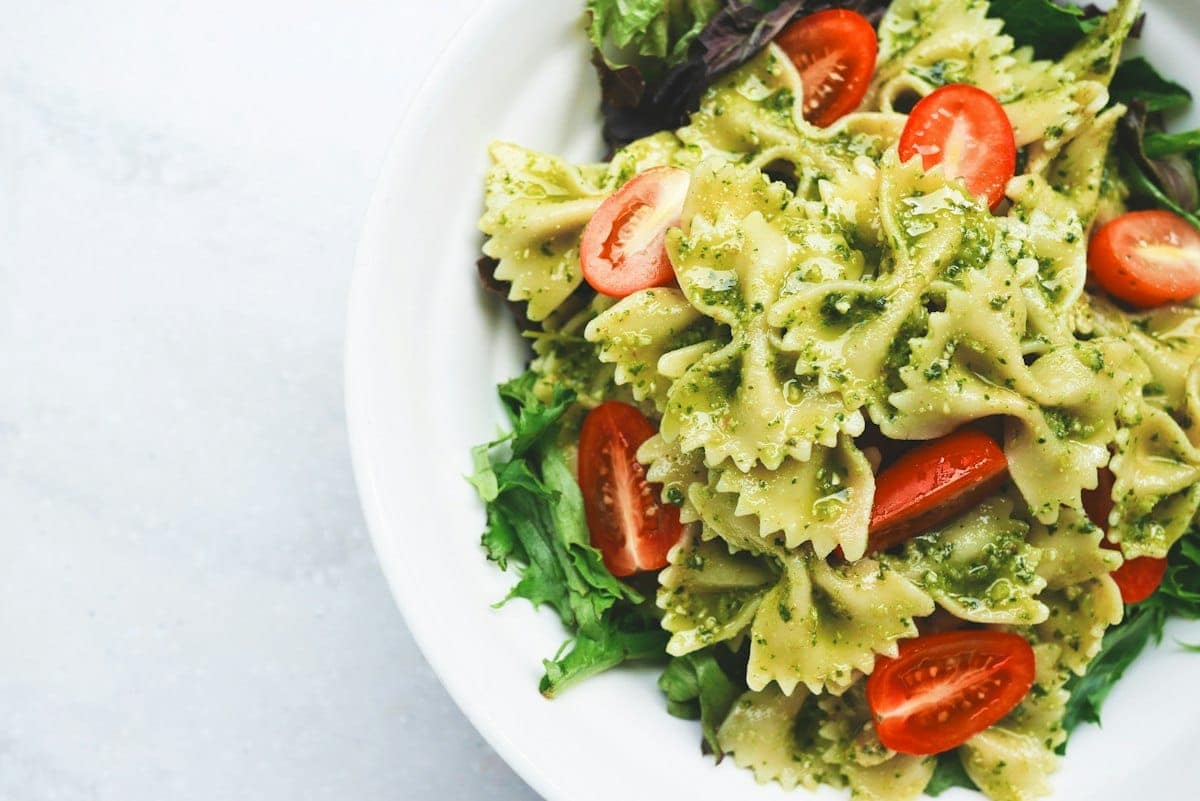
You just seared tender chicken cutlets or pasta, deglazed the skillet with a splash of white wine or lemon, poured in cream, and smiled as your sauce began to simmer. Then, within 30 seconds, disaster strikes: the sauce separates into grainy, gritty white specks floating in thin, watery liquid. It looks like broken cottage cheese, and no amount of frantic whisking will smooth it out.
Curdling is one of the most frustrating failures in home cooking because it ruins otherwise delicious ingredients. Most home cooks blame their pan, their stove, or assume the dairy was expired. In reality, curdling is pure biochemistry—and once you understand the relationship between dairy fat percentages, acid pH thresholds, and starch buffering, you will never break a cream sauce again.
In our test kitchen, we tested every combination of dairy fats and acidic deglazers. Here is the definitive food-science guide to keeping your pan sauces, alfredos, stroganoffs, and cream soups velvety, glossy, and restaurant-smooth.
🥛 The 3 Non-Negotiable Rules of Smooth Dairy Sauces:
- Fat Percentage is Your Shield: Heavy cream (36%+ fat) virtually never curdles because fat globules physically block proteins from clumping. Low-fat milk and half-and-half curdle easily.
- Never Boil Acid with Low-Fat Dairy: Lemon juice, wine, and tomatoes drop pH below 4.6. If combined with milk over heat, instant curdling is guaranteed.
- The 1-Teaspoon Starch Buffer: Whisking just 1 teaspoon of cornstarch into cold dairy before adding it to the pan prevents curdling under any temperature or acidity level.
The Food Science: Why Casein Proteins Clump (Isoelectric Precipitation)
Milk and cream consist of water, butterfat, lactose sugars, and proteins. About 80% of dairy protein consists of casein, which floats in dairy as tiny microscopic clusters called micelles.
Under normal conditions (pH around 6.6), casein micelles carry a negative electrical charge. Just like two negative ends of magnets repelling each other, the micelles push away from one another, remaining smoothly and invisibly suspended in the liquid.
The Two Triggers That Force Casein to Clump:
- Acidity (The pH Drop): When you add acidic liquids—such as lemon juice (pH 2.0), dry white wine (pH 3.0), Dijon mustard, or canned tomatoes—you introduce hydrogen ions (H+). These positive ions neutralize the negative charge on the casein micelles. Once the pH drops below 4.6 (the isoelectric point of casein), the micelles lose their repulsive charge. They stick together, forming dense protein nets that trap water and precipitate out as gritty white curds.
- High Heat (Thermal Denaturation): Heat accelerates the movement of molecules. Above 180°F (82°C), the heat weakens the protective kappa-casein outer layer of the micelles. When combined with acid or salt, curdling happens in seconds.
Why Heavy Cream Almost Never Curdles (The Fat Cushion Effect)
Ever wonder why French chefs can reduce heavy whipping cream with white wine and shallots vigorously without it ever curdling, while your homemade chicken pasta sauce made with half-and-half splits instantly?
It comes down to butterfat volume:
- Whole Milk (3.25% Fat) / Half-and-Half (10–12% Fat): High water, high protein, low fat. The casein micelles are fully exposed to acid and heat, making them extremely fragile.
- Heavy Whipping Cream (36–40% Fat): Densely packed with trillions of microscopic fat globules. These fat globules physically crowd the liquid, getting between the casein micelles like foam packing peanuts. Even when acid neutralizes the casein’s electrical charge, the fat globules physically prevent the proteins from touching and binding together.
Rule of Thumb: If your recipe contains wine, lemon juice, vinegar, or tomatoes, always use heavy cream (or full-fat canned coconut milk for plant-based). If you must use milk or half-and-half, you must use a starch buffer.
The 1-Teaspoon Cornstarch Slurry Buffer Hack
If you want to make lighter sauces using whole milk, half-and-half, or low-fat dairy without risking curdling, use the Starch Matrix Buffer:
- Whisk 1 teaspoon of cornstarch (or arrowroot) with 2 tablespoons of cold milk in a small ramekin until completely dissolved.
- Stir this cold slurry into the rest of your dairy.
- Pour into the warm pan and bring to a gentle simmer.
As the starch heats above 145°F (63°C), the amylose and amylopectin starch polymers unfurl and hydrate, creating a viscous gel web throughout the liquid. This web physically immobilizes the casein proteins, preventing them from fusing into curds even if you boil the sauce with lemon juice or wine!
Mastering 15-Minute Skillets & Pasta Sauces?
Have chicken, cream, mushrooms, or garlic in your fridge? Tell our interactive AI chef what you have to generate tailored foolproof skillet recipes!
Discover Custom 15-Minute Dinners →Culinary Quick Guide: Dairy Stability & Acid Tolerance Matrix
| Dairy Type | Fat % | Acid Resistance | Safe Cooking Technique |
|---|---|---|---|
| Skim / 1% Milk | 0% – 1% | Extremely Low (Curdles instantly) | Never use in acidic pan sauces without a heavy roux base |
| Whole Milk | 3.25% | Low | Must temper slowly; add 1 tsp cornstarch slurry; keep on low simmer |
| Half-and-Half | 10.5% – 18% | Moderate | Safe with mild acid if not boiled vigorously; buffer with starch |
| Heavy Cream (Chef Gold Standard) | 36% – 40% | Extremely High (Virtually bulletproof) | Can be boiled and reduced with wine, lemon, or vinegar safely |
| Sour Cream / Greek Yogurt | 10% – 20% | Pre-acidified (Fragile under heat) | Fold in strictly off the heat at the very end of cooking |
How to Rescue an Already Curdled Sauce (The 60-Second Immersion Fix)
If your sauce has already split and curdled into grainy white flecks, do not panic:
- Kill the Heat Immediately: Pull the skillet off the stove.
- Add Cold Liquid: Whisk in 2 tablespoons of ice-cold heavy cream or ice-cold water.
- Immersion Blender Shearing: Transfer the sauce to a tall blending cup. Blend with a high-speed immersion blender for 20 seconds. The intense centrifugal shear force physically breaks the casein protein clumps back down into microscopic particles, restoring a smooth, creamy texture.
The Tempering Protocol for Sour Cream & Greek Yogurt
If you are making Beef Stroganoff or a creamy curry with sour cream or Greek yogurt, curdling occurs because cold, pre-acidified dairy hits a boiling skillet. Always temper:
- Place your sour cream or yogurt in a small bowl.
- Ladle 2 tablespoons of hot broth from the skillet into the yogurt while whisking gently.
- Add another 2 tablespoons of hot broth. This gently raises the temperature of the yogurt to 120°F without shocking it.
- Turn the burner off completely, then stir the tempered mixture into the pan.
Frequently Asked Questions
Why does parmesan cheese sometimes make cream sauces stringy and oily?
Store-bought shredded parmesan cheese is often coated in wood cellulose (anti-caking agent). When heated, the cellulose separates from the cheese fat, causing the sauce to break into greasy clumps. Always buy a wedge of authentic Parmigiano-Reggiano and grate it finely with a microplane, stirring it in strictly off the heat.
Can I fix a broken sauce with an ice cube?
Yes! Just like with butter sauces, if the break was caused by thermal overheating, a single ice cube dropped into the pan off the heat rapidly pulls temperature down below the break threshold, allowing you to whisk it back into a smooth suspension.
Does plant-based milk curdle with acid?
Almond milk and oat milk curdle very easily when combined with acid and heat because of low fat and sensitive plant proteins. Full-fat canned coconut milk (which has over 20% fat) and cashew cream are the most resilient plant-based alternatives for creamy, acidic sauces.
The 15-Minute Weeknight Dinner Matrix
Stop wondering what to cook tonight. Get 20 modular, test-kitchen meals ready in 15 minutes or less from 5 pantry staples—with dual metric/US measurements & flavor grids.
Every recipe on QuickRecipeAI is independently developed, stopwatch-timed, and flavor-tested at least 3 times in home kitchens by Safi A. Calibrated with dual metric/US measurements and validated against USDA FoodData Central. Review Our Test Kitchen Standards & Testing Methodology →

Written & Culinary Tested by Safi A
Verified Recipe AuthorSafi A is a recipe developer and the founder of QuickRecipeAI. Driven by everyday food science and fast, high-protein weeknight cooking, every recipe on this website is rigorously tested at least three times in residential home test kitchens to ensure dependable measurements, consistent cook times, and foolproof flavor.
More recipes to explore
2-Minute Quick Garlic Aioli: The 3-Ingredient Emulsion Hack for Air Fryer Dipping
⚡ Quick Recipe Jump to Recipe Print Recipe If you just pulled a batch of…

Why Homemade Dal Makhani Tastes Chalky and Thin: The Slow 4-Hour Starch Gelatinization and Cultured Butter Emulsion Secret
⚡ Quick Recipe Jump to Recipe Print Recipe Revered across the Indian subcontinent and featured…

Why Pierogi Dough Tears and Filling Turns Bland: The Sour Cream Knead Elasticity and Farmer’s Cheese Sharpness Secret
⚡ Quick Recipe Jump to Recipe Print Recipe Across the homes, milk bars (*bary mleczne*),…
Leave a Reply