
The Cold-Oil Garlic Sauté Rule: Why Tossing Garlic into Smoking Hot Oil Ruins Weeknight Dinners
Tossing minced garlic into a smoking hot pan burns its natural fructose sugars in under 15 seconds, ruining your dish with bitter acrid notes. Discover the cold-oil blooming protocol, thermal thresholds, and the staggered timing rules professional chefs use.
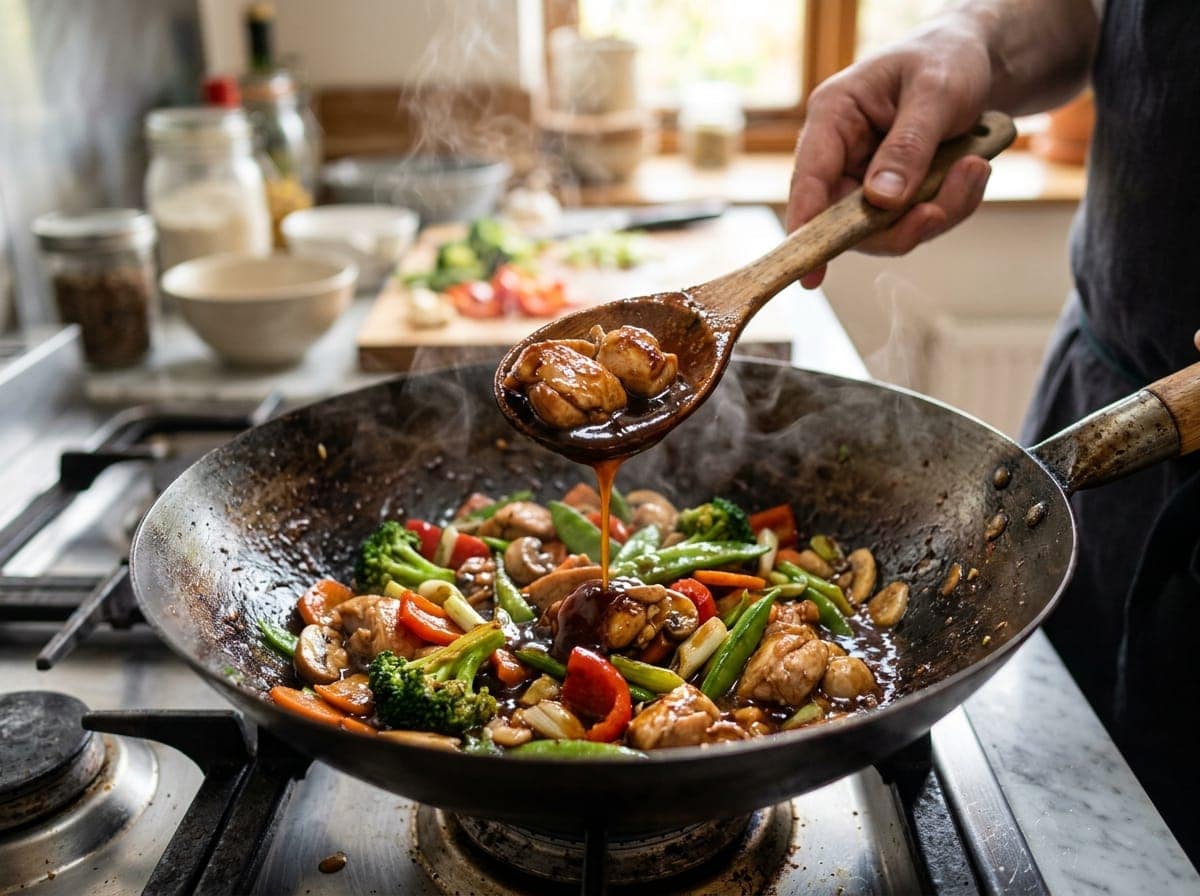
Open almost any generic weeknight recipe and you will find the exact same opening line: “Heat olive oil in a skillet until smoking hot, then add minced garlic and onions.” If you have ever followed that instruction, you have almost certainly watched your minced garlic turn speckled dark brown or black within 15 seconds, filling your kitchen with an acrid, sharp, burnt smell that permanently ruins the sauce.
Burnt garlic is a culinary catastrophe because its bitter, scorched compounds are fat-soluble. Once scorched garlic infuses into hot oil or butter, that harsh bitterness bonds directly with the cooking fat, coating every meat fiber and vegetable in the pan. No amount of kosher salt, heavy cream, parmesan cheese, or lemon juice can mask it.
In our test kitchen, we teach home cooks a rule practiced by classic Italian nonnas and Cantonese wok masters alike: The Cold-Oil Garlic Sauté Rule. By adjusting pan thermodynamics and introducing garlic at room temperature—or staggering its entry until the final minute of high-heat cooking—you extract sweet, fragrant, golden garlic essence every single time.
🧄 The 3 Commandments of Garlic Chemistry:
- Garlic Scorches at 260°F (126°C): Its high fructan (sugar) concentration burns far faster than onions, which hold protective moisture.
- Start Cold for Infused Oils: Place sliced garlic and cold oil into an unheated skillet, then bring heat up slowly over medium-low.
- The 60-Second Finish for Searing: In stir-fries, steaks, or skillets, never add garlic first. Add it in the final 60 seconds of cooking.
The Food Science: Why Garlic Burns 5 Times Faster Than Onions
Many home cooks mistakenly lump garlic and onions together as interchangeable aromatics. But biologically and chemically, they behave completely differently in hot fat:
| Aromatic | Water Content | Sugar Type | Scorching Threshold |
|---|---|---|---|
| Yellow Onion | Approx. 89% | Sucrose / Glucose | Slow buffer (takes 6–8 mins to brown) |
| Fresh Garlic | Approx. 65% | High Fructans (Fructose chains) | Burns rapidly in 15–20 seconds above 260°F |
Because garlic contains significantly less water and is chopped into much tinier pieces (minced or microplaned), its surface area-to-volume ratio is massive. When tossed into smoking oil (which is typically between 375°F and 425°F / 190°C and 218°C), the tiny droplets of water flash off instantly, and the delicate fructose sugars caramelize and carbonize into bitter acroleins before the garlic can even impart its pleasant aromatics.
Technique 1: The Cold-Oil Pan Bloom (For Pastas, Soups & Sauces)
If you are making pasta sauces (like Spaghetti Aglio e Olio), braises, or marinara, use the Cold-Start Method:
- Pour cold extra virgin olive oil into a cold, unheated stainless steel or enamel skillet.
- Add thinly sliced or crushed garlic cloves into the cold oil right on the countertop.
- Place the skillet over medium-low heat.
- As the oil slowly warms, gentle micro-bubbles will begin to cling to the garlic edges. The fat-soluble organosulfur compounds (allicin, diallyl disulfide) gently dissolve into the oil without scorching.
- Within 3 to 4 minutes, the garlic turns a tender, pale straw-yellow. It tastes sweet, mellow, and nutty with zero harsh bitterness.
Technique 2: The Staggered 60-Second Insertion (For Steaks, Skillets & Stir-Fries)
When cooking high-heat dishes—such as pan-searing a ribeye steak, flash-frying shrimp, or stir-frying vegetables in a wok—you need aggressive heat (400°F+) to achieve the Maillard reaction on proteins.
In this environment, garlic must be added at the very end of cooking:
- Sear your protein and crisp your sturdy vegetables first over high heat.
- During the final 45 to 60 seconds of cooking, lower the heat slightly, create a small clearing in the pan, and drop in your minced garlic along with cold butter or a splash of broth.
- Toss continuously. The residual heat of the pan and the moisture from the butter or broth are more than enough to cook the raw bite out of the garlic while preventing scorching.
Need Weeknight Dinners Customized to Your Pantry?
Have chicken, beef, or whatever veggies are in your crisper drawer? Use our hands-free smart AI cooking assistant!
Generate Foolproof 15-Minute Dinners →Culinary Quick Guide: The Garlic Cut & Cooking Temperature Matrix
How the Cut Dictates the Cook
Lightly crush cloves with the flat of your knife. Fry in warm oil for 4–5 minutes until golden, then discard or leave in sauces. Yields delicate, perfumed garlic aroma with zero risk of scorching.
Slice paper-thin with a sharp chef’s knife or mandoline. Cook in medium-low oil for 2–3 minutes. As soon as the edges turn golden, take off the heat. Perfect for pasta Aglio e Olio and Spanish gambas al ajillo.
Releases massive allicin for bold garlic intensity. Burns in under 20 seconds if exposed to high direct heat. Always combine with a liquid, butter, or add at the very end of cooking.
What If You Already Scorched Your Garlic? (The Emergency Protocol)
If you walked away for 30 seconds and your garlic turned speckled brown or black, here is the honest test-kitchen truth: do not try to rescue the oil.
- Dumping wine, cream, or broth into burned garlic oil will simply emulsify the acrid chemical bitterness through the entire dish.
- The 60-Second Reset: Wipe the pan clean with a wad of paper towels, wash your hands, add fresh oil, and start over. Five cents worth of garlic and 2 minutes of prep is infinitely cheaper than throwing away an entire pan of ruined chicken, beef, or seafood.
Frequently Asked Questions
Does jarred minced garlic burn faster than fresh garlic?
Yes. Jarred minced garlic is preserved in water and citric acid. When added to hot oil, the water violently splatters, and the acid degrades the sugar structures, causing it to scorch unevenly while releasing an unpleasantly sour, sulfurous flavor. Fresh garlic cloves are always superior.
Can I add garlic powder instead if I am cooking on high heat?
Garlic powder is dehydrated and finely pulverized, meaning it burns almost instantly in direct dry fat. If using garlic powder in high-heat skillet meals, season the raw meat directly with it before searing so the meat moisture protects the powder, or dissolve it in a sauce reduction.
Why does Chinese restaurant stir-fry have garlic cooked over roaring heat without burning?
Wok hei cooking utilizes a distinct technique called chao: the wok is blazing hot, but the aromatics (ginger, scallion whites, garlic) are tossed with high-speed continuous motion for literally 5 to 8 seconds before vegetables and liquids are immediately thrown in, dropping the pan temperature and halting the burn cycle.
The 15-Minute Weeknight Dinner Matrix
Stop wondering what to cook tonight. Get 20 modular, test-kitchen meals ready in 15 minutes or less from 5 pantry staples—with dual metric/US measurements & flavor grids.
Every recipe on QuickRecipeAI is independently developed, stopwatch-timed, and flavor-tested at least 3 times in home kitchens by Safi A. Calibrated with dual metric/US measurements and validated against USDA FoodData Central. Review Our Test Kitchen Standards & Testing Methodology →

Written & Culinary Tested by Safi A
Verified Recipe AuthorSafi A is a recipe developer and the founder of QuickRecipeAI. Driven by everyday food science and fast, high-protein weeknight cooking, every recipe on this website is rigorously tested at least three times in residential home test kitchens to ensure dependable measurements, consistent cook times, and foolproof flavor.
More recipes to explore
2-Minute Quick Garlic Aioli: The 3-Ingredient Emulsion Hack for Air Fryer Dipping
⚡ Quick Recipe Jump to Recipe Print Recipe If you just pulled a batch of…

Why Homemade Dal Makhani Tastes Chalky and Thin: The Slow 4-Hour Starch Gelatinization and Cultured Butter Emulsion Secret
⚡ Quick Recipe Jump to Recipe Print Recipe Revered across the Indian subcontinent and featured…

Why Pierogi Dough Tears and Filling Turns Bland: The Sour Cream Knead Elasticity and Farmer’s Cheese Sharpness Secret
⚡ Quick Recipe Jump to Recipe Print Recipe Across the homes, milk bars (*bary mleczne*),…
Leave a Reply