
Why Chicken Yakitori Dries Out and Burns: The Tare Reduction Dip Cycle and Fat-Basting Skewer Secret
⚡ Quick Recipe Jump to Recipe Print Recipe Drifting down the narrow alleys of Tokyo’s Omoide Yokocho (*Memory Lane*) in Shinjuku, the smoky, […]
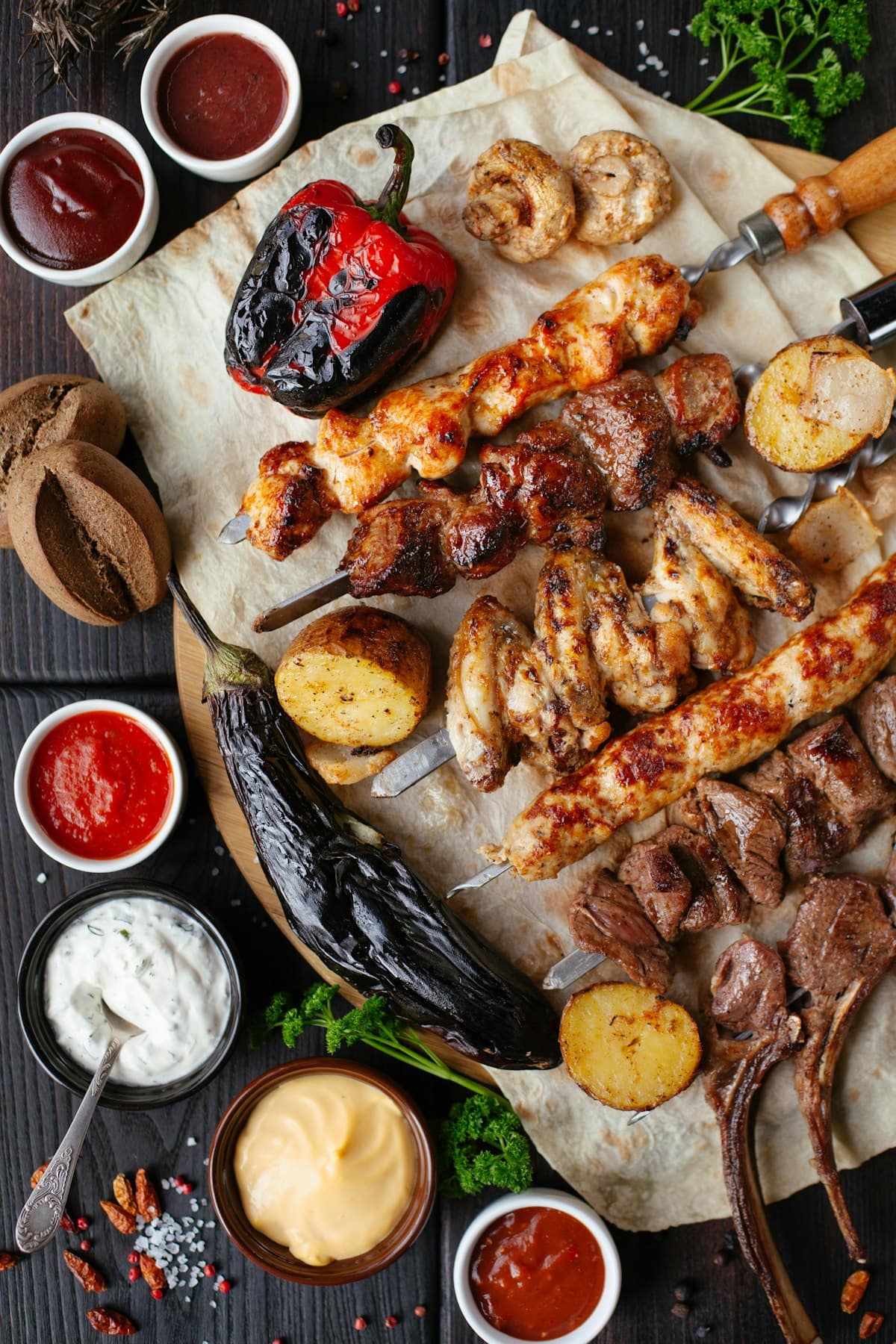
Drifting down the narrow alleys of Tokyo’s Omoide Yokocho (*Memory Lane*) in Shinjuku, the smoky, intoxicating aroma of authentic japanese chicken yakitori (Yakitori Negima) is the quintessential soundtrack of Japanese nightlife. Skewered on slender bamboo, alternating morsels of juicy chicken thigh and sweet Tokyo scallions are grilled over glowing charcoal, bathed in a deep, glossy, savory-sweet reduction glaze known as tare. Yet when attempted at home, yakitori frequently goes awry: sugary glazes scorch into bitter black ash within sixty seconds, while lean chicken breast turns chalky and dry on the skewer. Elevating yakitori to Michelin-starred Tokyo izakaya perfection requires understanding sugar caramelization thresholds and multi-stage tare dipping.
In this chef guide, you will master the classic *tare* reduction made from charred chicken trimmings, the physics of thigh-skin rendering, and the exact two-dip grilling cycle that builds a lacquered, glassy crust without scorching.
The Chemistry of Yakitori: Why Tare Burns & How To Prevent It
Cooking skewered chicken over high heat demands precise temperature control and sugar timing:
- Sucrose & Fructose Pyrolysis: Traditional yakitori tare contains sweet mirin and sugar. Sucrose undergoes thermal degradation (pyrolysis) and turns to bitter carbon soot at 320°F (160°C). If you brush raw chicken with sweet tare before placing it over hot coals, the sugar burns completely long before the raw chicken reaches safe internal temperatures (165°F). Authentic yakitori masters cook the skewers *completely dry* until 75% done, introducing the tare only in the final 90 seconds.
- The Multi-Dip Glaze Layering Cycle: In Tokyo izakayas, skewers undergo a 3-step dip cycle. The first dip into hot tare coats the par-cooked surface; returning the skewer to the radiant heat caramelizes the soy-sugar layer into a sticky lacquer. A second quick dip reinforces the glaze and infuses umami into the crevices, yielding a glassy, mirror-like finish.
- Chicken Thigh (Momo) vs. Breast (Mune): Authentic *Negima* yakitori strictly uses skin-on or well-marbled boneless chicken thighs (*momo*). Thigh meat contains abundant intramuscular fat and myoglobin that withstands direct radiant heat, continuously basting itself as fat renders.
- The Tokyo Negi Thermal Bridge: Interspersing chunks of thick Tokyo scallions (negi) between chicken pieces creates thermal vents. As the scallions heat up, natural fructan sugars inside the allium melt into sweet syrup, tenderizing the adjacent meat while preventing chicken pieces from crowding into a dense, un-seared clump.
The 15-Minute Weeknight Dinner Matrix
Stop wondering what to cook tonight. Get 20 modular, test-kitchen meals ready in 15 minutes or less from 5 pantry staples—with dual metric/US measurements & flavor grids.
Every recipe on QuickRecipeAI is independently developed, stopwatch-timed, and flavor-tested at least 3 times in home kitchens by Safi A. Calibrated with dual metric/US measurements and validated against USDA FoodData Central. Review Our Test Kitchen Standards & Testing Methodology →
Ingredients: The Master Izakaya Tare Sauce
The soul of yakitori is the tare—a rich glaze that improves with every batch:
- Chicken Thighs (1.5 lbs / 700g boneless, skin-on preferred): Cut into uniform 1-inch (2.5 cm) bite-sized cubes.
- Tokyo Negi or Large Scallions (2 large bunches): White and pale green parts sliced into 1-inch lengths.
- 6 to 8 Bamboo Skewers (6 inches / 15 cm long): Soaked in cold water for at least 30 minutes to prevent burning.
- The Master Tare Glaze:
- 1/2 cup (120 ml) Japanese soy sauce (shoyu)
- 1/2 cup (120 ml) hon-mirin (sweet Japanese rice cooking wine)
- 1/4 cup (60 ml) sake (Japanese dry rice wine)
- 2 tbsp unrefined cane sugar or brown sugar
- 1 green onion stalk, charred in a dry pan
- 1 slice fresh ginger and 1 crushed garlic clove
- Finishing Touches: Japanese seven-spice blend (Shichimi Togarashi) and fresh lemon wedges.
Step-by-Step Skewering & Grilling Protocol
Follow these steps for authentic izakaya perfection:
- Simmer the Tare Reduction: In a small saucepan over medium heat, combine the soy sauce, mirin, sake, sugar, charred green onion, ginger, and garlic. Bring to a boil, then reduce heat to low and simmer gently for 12 to 15 minutes until the mixture reduces by about one-third and coats the back of a spoon in a glossy syrupy glaze. Strain through a fine-mesh sieve into a tall, narrow heatproof jar or glass measuring cup (ideal for dipping skewers).
- Skewer the Chicken (Negima Style): Thread chicken thigh pieces and scallion lengths alternately onto soaked bamboo skewers, starting and ending with a piece of chicken (typically 4 pieces of chicken and 3 pieces of scallion per skewer). Press pieces snugly together so they support each other over the heat.
- High Radiant Heat Setup: Preheat your grill to high (450°F / 230°C) or set up a charcoal grill with glowing binchotan or hardwood charcoal. If using a cast-iron stovetop grill pan, preheat over high heat for 6 minutes and lightly brush grill ridges with oil.
- Initial Dry Sear (6 to 7 Minutes): Place skewers directly over the heat source. Cook dry for 3 to 4 minutes without moving until deep grill marks form and fat begins rendering. Flip and cook the second side for 3 minutes until chicken is opaque and cooked approximately 75% to 80% through (internal temp approx. 150°F / 65°C).
- The Two-Dip Tare Glazing Cycle:
- Dip 1: Submerge the hot skewer completely into the tall jar of warm tare sauce, coating every morsel of chicken and scallion. Return immediately to the grill for 45 to 60 seconds, turning once, as the glaze bubbles and caramelizes into a sticky mahogany crust.
- Dip 2: Dip the skewer into the tare a second time. Return to the grill for 30 to 45 seconds to set the final glossy sheen without scorching.
- Serve Sizzling: Transfer skewers to a platter. Drizzle any remaining warm tare over the top. Serve immediately with lemon wedges, cold Japanese lager, and a sprinkle of spicy Shichimi Togarashi.
Yakitori Diagnostic Matrix
| Symptom | Root Cause | Quick In-Pan Fix | Future Prevention |
|---|---|---|---|
| Glaze burned bitter and black | Tare applied too early; sugar caramelized past 320°F | Scrape charred spots with knife, brush with fresh unheated tare | Cook skewers dry until 75% done; dip tare only in final 90 secs |
| Chicken dry, chalky, and stringy | Used skinless chicken breast or overcooked past 175°F | Brush heavily with hot tare and melted butter to add moisture | Strictly use boneless chicken thighs (momo) for high-heat skewers |
| Bamboo skewers burned through and broke | Skewers were not soaked in water; charred by open flame | Transfer chicken pieces to metal skewers or serve off-stick | Soak bamboo skewers in cold water for minimum 30 minutes |
| Tare ran off chicken without coating | Tare was too thin and unreduced; lack of viscosity | Simmer tare on stovetop for another 5 minutes to thicken | Ensure tare reduces by 1/3 until it coats the back of a metal spoon |
Authentic Japanese Chicken Yakitori Recipe Card
Prep time: 25 minutes | Tare simmer time: 15 minutes | Grill time: 10 minutes | Yield: 8 skewers (4 servings)
Ingredients:
- 1.5 lbs (700g) boneless, skin-on chicken thighs, cut into 1-inch cubes
- 2 large bunches scallions (or 2 large Tokyo negi stalks), cut into 1-inch pieces
- 8 bamboo skewers (6 inches / 15 cm long), soaked in water
- For the Master Tare Glaze:
- 1/2 cup (120 ml) Japanese soy sauce (shoyu)
- 1/2 cup (120 ml) hon-mirin
- 1/4 cup (60 ml) Japanese sake
- 2 tbsp granulated sugar (or raw cane sugar)
- 1 scallion stalk, charred in a dry pan
- 1 thin slice fresh ginger
- 1 clove garlic, smashed
- Shichimi Togarashi (Japanese 7-spice) and lemon wedges for serving
Nutritional Breakdown (Per Serving of 2 Skewers): Calories: 310 kcal | Protein: 32g | Fat: 14g | Saturated Fat: 4g | Carbohydrates: 12g | Sugars: 9g | Sodium: 890mg
Frequently Asked Questions
Can I make yakitori without an outdoor grill?
Yes! A ridged cast-iron grill pan on your stovetop produces exceptional yakitori. Alternatively, place skewers on an elevated wire rack over a foil-lined baking sheet and broil on high in your oven for 4 minutes per side before executing the two-dip tare cycle.
What is the difference between Yakitori Tare and Teriyaki sauce?
While both share soy sauce, mirin, and sake, American teriyaki sauce is typically thickened with cornstarch and seasoned with onion and garlic powder. Authentic yakitori tare contains zero cornstarch—it thickens naturally through reduction of sugar and mirin, yielding a glassy lacquer rather than a gooey syrup.
For more authentic Japanese dining experiences, explore our recipes for Crispy Japanese Chicken Katsu Curry and Authentic Japanese Salmon Teriyaki.

Written & Culinary Tested by Safi A
Verified Recipe AuthorSafi A is a recipe developer and the founder of QuickRecipeAI. Driven by everyday food science and fast, high-protein weeknight cooking, every recipe on this website is rigorously tested at least three times in residential home test kitchens to ensure dependable measurements, consistent cook times, and foolproof flavor.
More recipes to explore

Why Homemade Dal Makhani Tastes Chalky and Thin: The Slow 4-Hour Starch Gelatinization and Cultured Butter Emulsion Secret
⚡ Quick Recipe Jump to Recipe Print Recipe Revered across the Indian subcontinent and featured…

Why Pierogi Dough Tears and Filling Turns Bland: The Sour Cream Knead Elasticity and Farmer’s Cheese Sharpness Secret
⚡ Quick Recipe Jump to Recipe Print Recipe Across the homes, milk bars (*bary mleczne*),…

Why Mille-Feuille Layers Puff Unevenly and Collapse: The Weighted Blind-Bake Caramelization and Stabilized Diplomat Cream Secret
⚡ Quick Recipe Jump to Recipe Print Recipe In the grand windows of legendary Parisian…
Leave a Reply